

Start of TRINSE
TRINSE – Transformer Intelligence Services was created to establish a new generation of consulting and intelligence services in transformer engineering and the electromagnetic phenomena generated
What can happen to power transformers when exposed to reverse current flow?
The evolution of the global energy matrix brings to light technical challenges that require a readjustment of design strategies. In this article, we will discuss
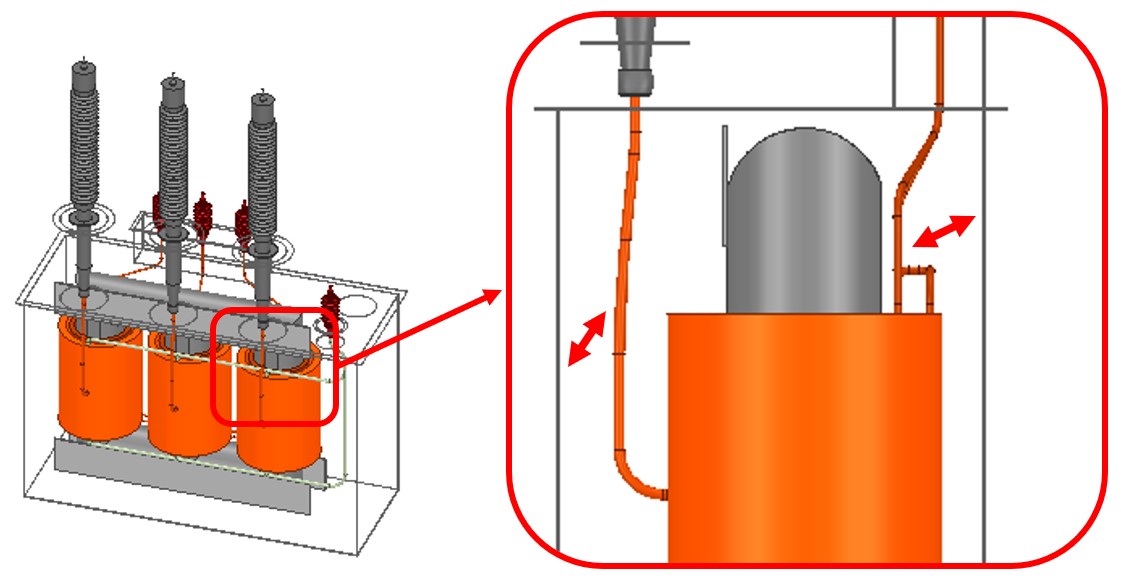
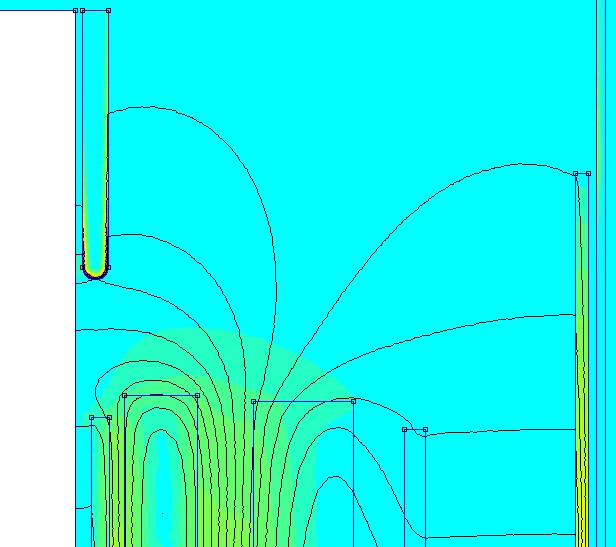
How do you define the insulation distance between the live part, internal cables, and the transformer tank?
Developing projects with a better cost-benefit ratio is always on the agenda of engineering meetings at transformer manufacturing and refurbishing companies. The goal is always
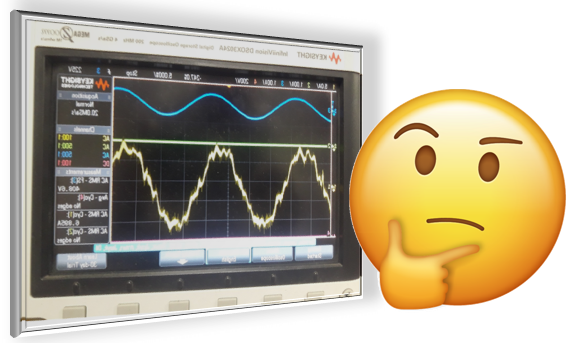
Current harmonics in solar parks… is that really true?
For many years, transformers for rectifiers/inverters failed due to premature aging caused by excessive heating. Over time, and with the development of various standards (IEEE
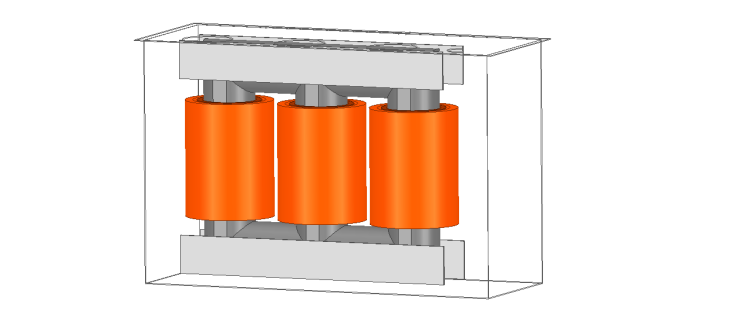
Challenges in the design of low-voltage, high-power transformers.
It may seem easy to build a low-voltage transformer; after all, many design parameters are simplified when the equipment voltage does not exceed, for example,
Why should the design of transformers for renewable energy be “different”?
Let’s imagine the following analogy: you get in your car, put it in gear and accelerate as much as possible, maintaining this condition for a
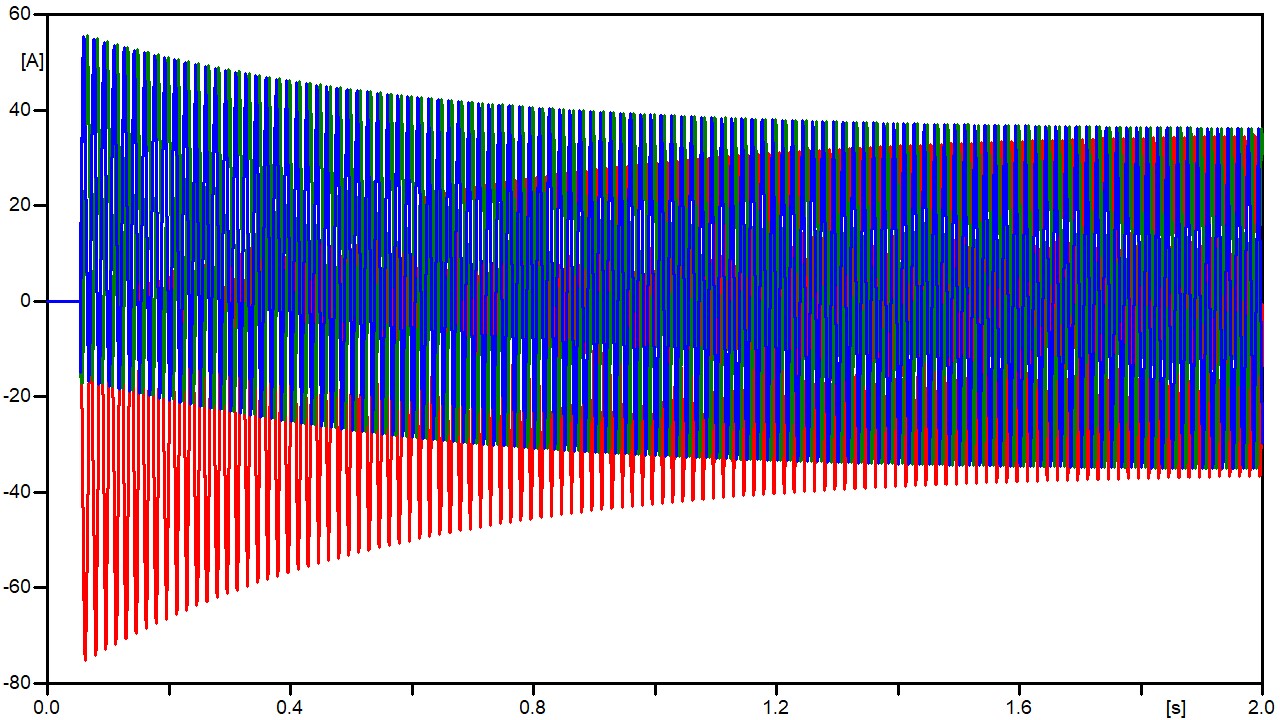
Nonlinear magnetic model for calculating the magnetization current of reactors.
The initial magnetizing current (inrush) that occurs in transformers also occurs during the energization of shunt reactors with iron cores and air gaps. The inrush
How to identify the degree of aging of transformers?
Everyone gets extremely curious when they come across extremely old transformers still in operation. It’s not uncommon to find posts on social media, especially LinkedIn,
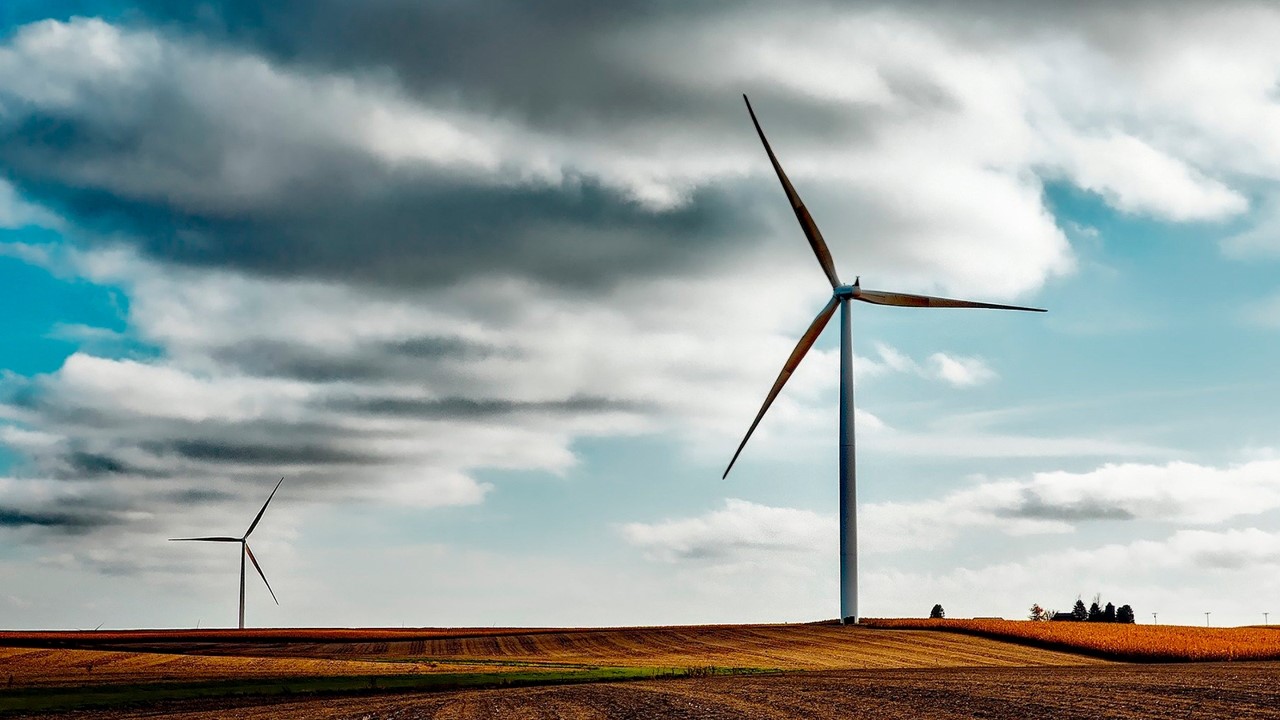
An approach to ambient temperature in the design of transformers for renewable energy.
I have been working with technical specifications for the design of transformers for renewable energy applications (wind and solar) with maximum ambient temperatures above 40°C,
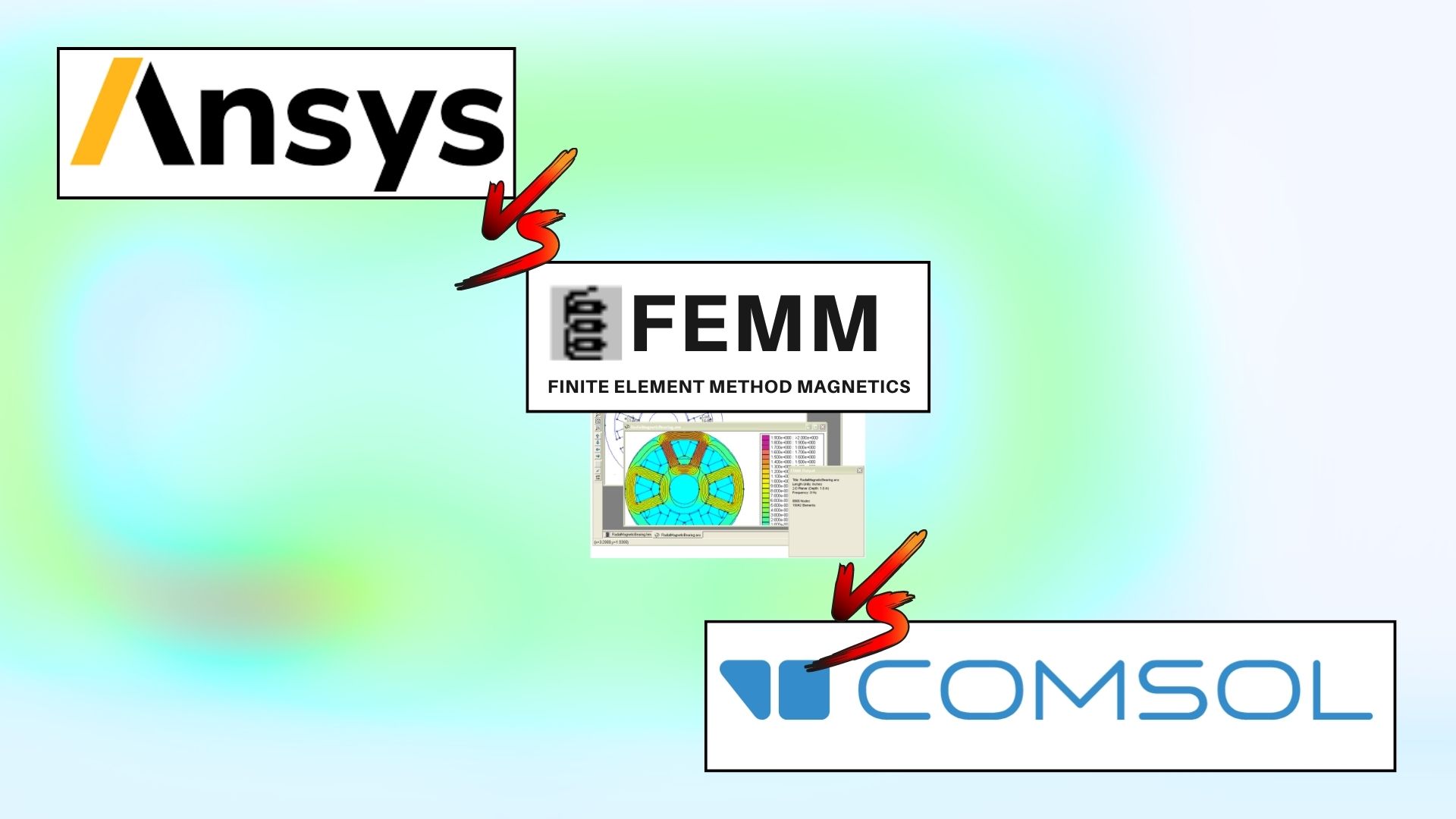
ANSYS or COMSOL or FEMM: a comparative approach between the software
We present a comparative approach to three of the main computational numerical analysis software programs used for transformer design: ANSYS, FEMM, and COMSOL. These software
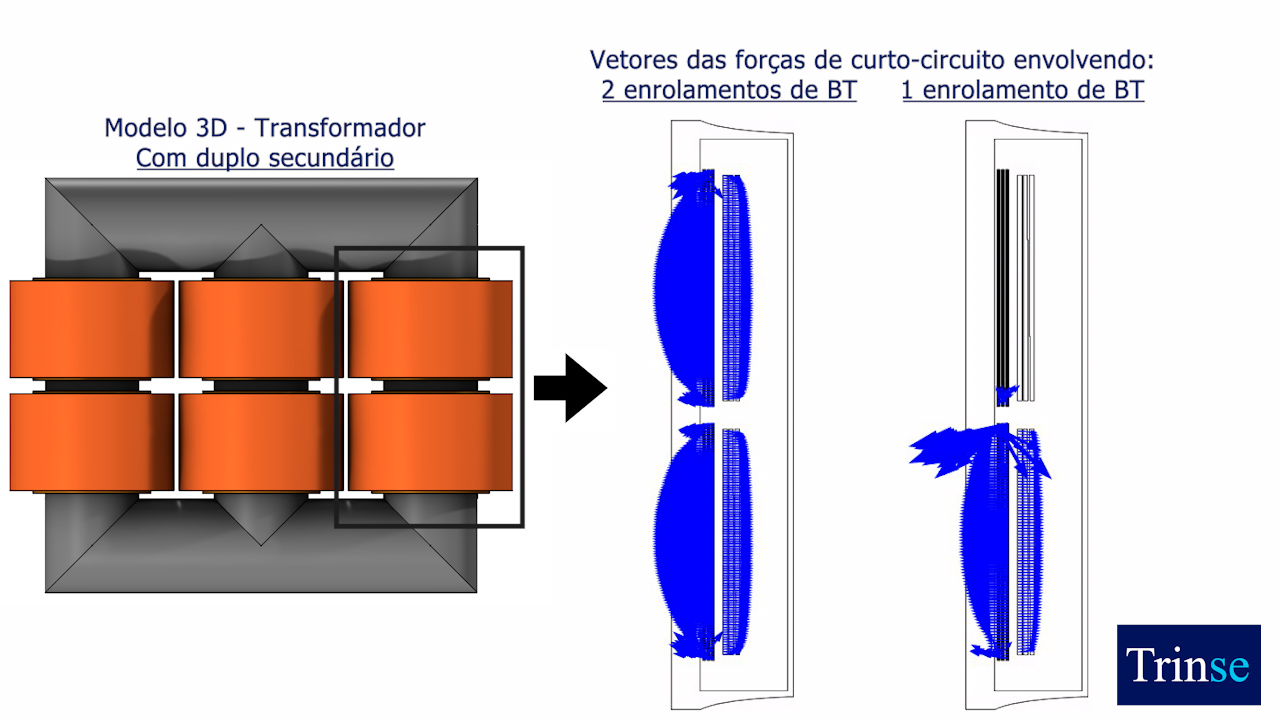
Short circuit in the low voltage section of transformers with multiple secondary windings.
There are applications where the use of transformers with multiple secondary windings is adopted for various reasons, ranging from reducing the nominal current of the
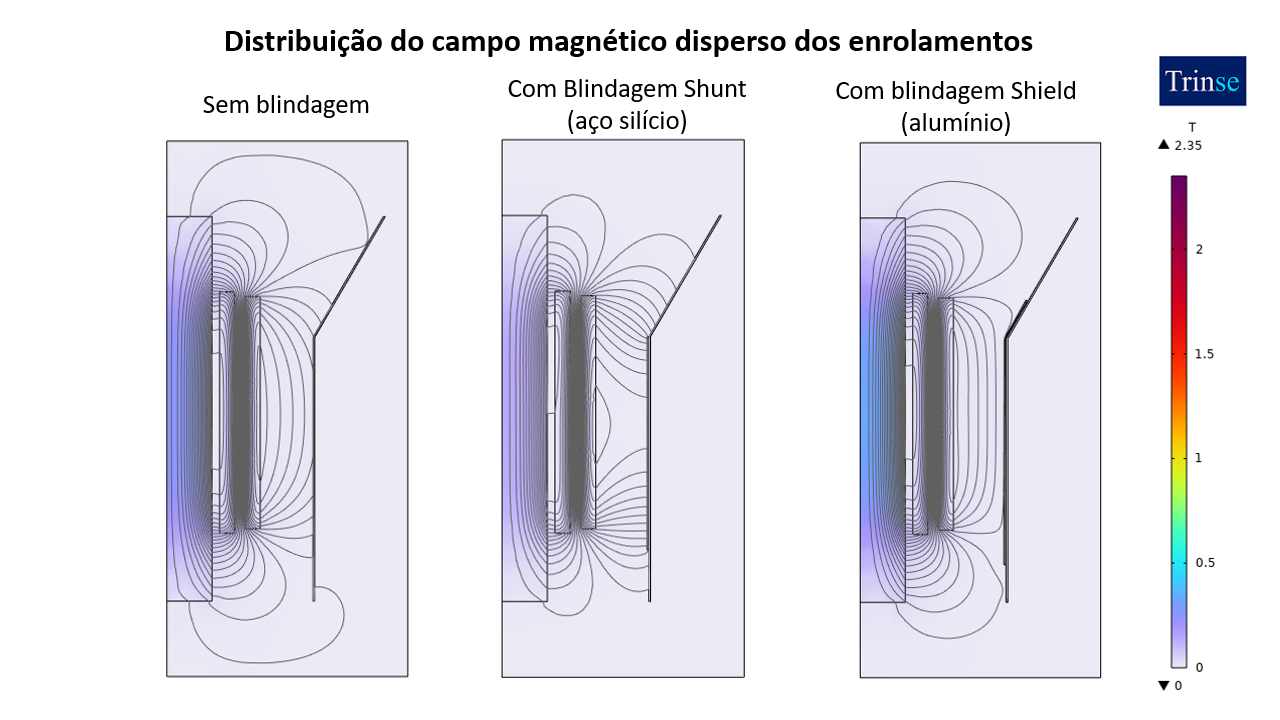
Simulation of electromagnetic shielding using an aluminum shield for a power transformer tank.
High-power transformers (greater than several hundred MVA) require careful analysis regarding losses in metallic parts. The design demands specific precautions to enable effective control of